
Contents
At a Glance
- Topic: Black Friday Scams : How to Spot a Fake Online Store Before You Pay
- Intent: step-by-step learning or troubleshooting
- Verify: Use this as a practical starting point, then verify important details with current authoritative sources.
- Related entities: black, friday, scams, 2026, spot
Last updated: November 23, 2026
Best for: Best for readers who need a step-by-step explanation and practical troubleshooting checks.
Editorial note: This guide may use AI-assisted drafting, but it is organized and reviewed by the Bdtechsupport editorial workflow for clarity, search intent, and practical usefulness.
To spot a fake Black Friday store, check the web address letter by letter, be suspicious of 70–90% discounts, and look at how the checkout asks you to pay. Never pay with gift cards, bank wire or crypto, and never enter a card number after clicking a link from an ad, SMS or email. Type the shop’s address yourself or use its official app instead.
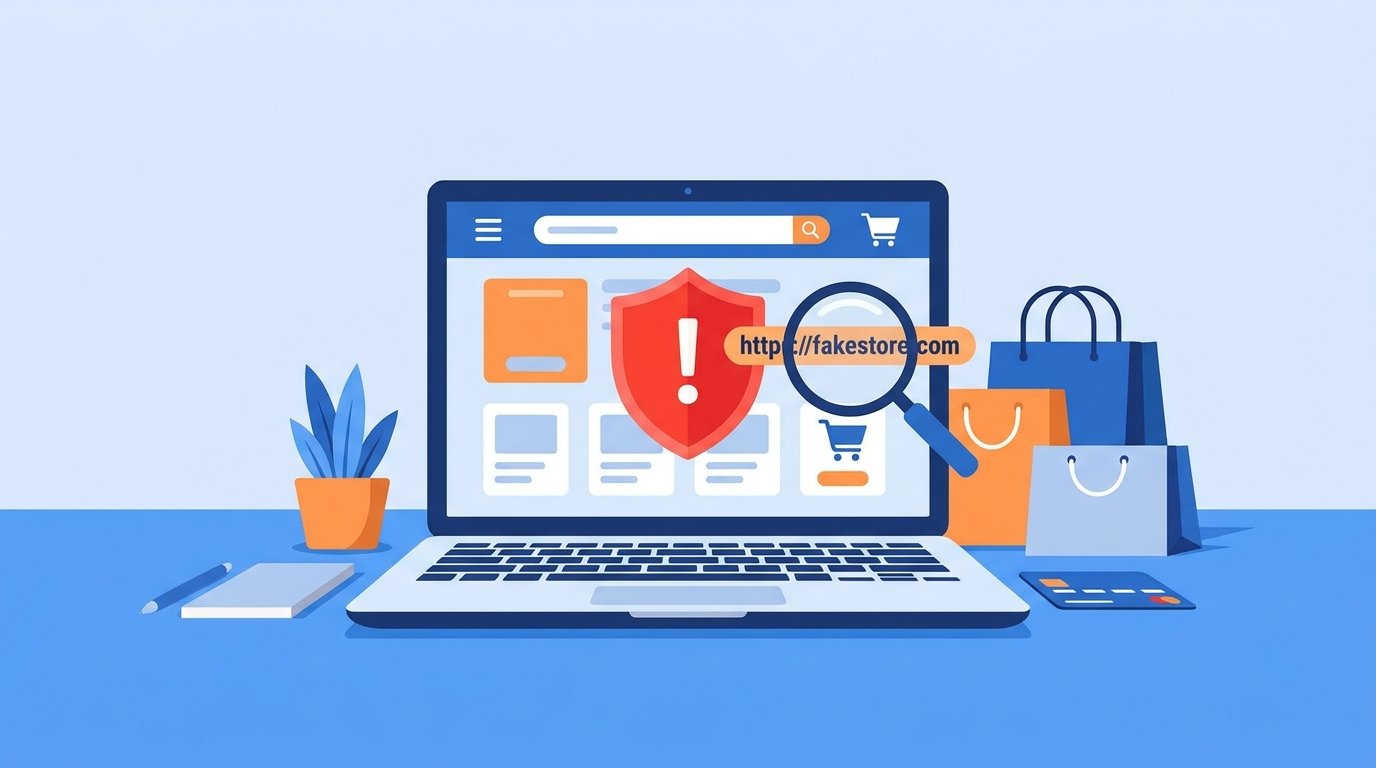
Black Friday is on 27 November this year, with Cyber Monday three days later. Scammers know that millions of people will be hunting for deals, so they build fake shops, send fake delivery messages and run fake giveaways at exactly the same time. This guide shows you the red flags, a 60-second check you can do before paying, and what to do if you already got caught.
Why Black Friday Scams Spike Every November
When everyone is expecting huge discounts, a “90% off” banner does not look strange anymore. That is what scammers rely on. According to NordVPN’s research, fake shopping sites rose by about 250% ahead of Black Friday, and impersonations of eBay and Amazon jumped sharply. Money magazine, relaying the same research, reported more than 10,000 fraudulent stores copying 166 fashion and luxury brands across 26 countries. NordVPN sells security software, so treat the exact numbers as the vendor’s own findings, but the direction is clear: more fake shops, more often, right before the sales.
The Most Common Black Friday Scams
1. Fake online stores
These sites copy a real retailer’s look, or invent a “brand” with crazy prices. You pay, and either nothing arrives or a cheap counterfeit does. Some also exist only to capture your card details.
2. Fake delivery messages
You get an SMS or email saying a parcel is stuck and you must pay a small “redelivery fee” or click a link to fix the address. Couriers rarely ask for payment through a text link. Check the real order in the shop’s app or the courier’s official website.
3. “Your account is suspended” phishing
A message pretends to be from a shop, bank or payment app and pushes you to “verify” your login, card or one-time code. Urgency is the tell. If you want to double-check an account, open the app yourself rather than tapping the link.
4. Social media ads and fake giveaways
Ads on Facebook, Instagram or TikTok promise a free phone or a huge discount if you pay shipping or fill in a “survey”. Security researchers also warn about AI-made celebrity videos used to promote these offers.
5. Gift card and payment-method tricks
Anyone asking you to pay with gift cards, wire transfer, crypto or a “friend” payment is a red flag. These methods are very hard to reverse once the money is gone.
Red Flags: Quick Reference Table
| Red flag | What it usually means | What to do |
|---|---|---|
| 90% off a popular phone or laptop | Bait price, no stock, or counterfeit | Compare with 2–3 trusted shops |
| Web address has an extra letter, hyphen or odd ending | Look-alike domain | Type the real address yourself |
| No physical address, phone number or company details | Nobody to hold responsible | Skip the shop |
| PayPal or Klarna logos, but checkout only asks for card details | Logos are decoration | Stop at checkout and close the tab |
| “Only 2 left! Offer ends in 10 minutes” | Pressure to stop you thinking | Take 5 minutes and check the shop |
| Message asks for an OTP or 2FA code | Account takeover attempt | Never share it with anyone |
| Same-sounding five-star reviews | Copy-pasted or fake reviews | Search reviews on other websites |
A 60-Second Check Before You Pay
- Read the address slowly. Compare it with the real shop, character by character. One extra letter is enough to fool you.
- Don’t trust the link, trust the source. Open the store’s official app or type its address. Money also notes that an AI assistant or search result recommending a site does not prove it is real.
- Look for real contact details and a clear return policy that you can actually read.
- Compare the price. If it is far below every other seller, ask yourself why.
- Check the payment options. The checkout should match what the site advertises.
- Pick the safer payment method. A credit card usually gives you more dispute rights than debit or direct transfer, though the rules depend on your country and bank. In Bangladesh, cash on delivery from a known seller is often the lowest-risk way to buy from a shop you are not sure about.
What to Do If You Already Paid or Shared Your Details
Act fast, because the first hour matters most.
- Call your bank or card issuer, report the charge, and ask about blocking the card or getting a new one.
- Change the password of any account you typed into the fake page. If you reused that password anywhere else, change those too.
- Turn on two-step verification. Our guide on enabling two-factor authentication on Google shows how, and a Google passkey is even harder to phish.
- If you think a messaging account was taken over, read how to recover a hacked WhatsApp and check your WhatsApp linked devices.
- If your Gmail was affected, follow how to recover a hacked Gmail account.
- Report the shop or message to the real brand it copied, and to the platform where you saw the ad.
Frequently Asked Questions
How can I tell if an online store is fake?
Check the domain spelling, look for real contact details and a return policy, compare prices with trusted sellers, and see whether the checkout matches the payment options advertised. If two or more things feel off, leave.
Is a padlock (HTTPS) proof that a site is safe?
No. The padlock only means the connection is encrypted. Scam sites can have it too. A missing padlock is a warning sign, but its presence is not a guarantee.
Should I click the links in Black Friday emails and texts?
It is safer not to. Open the retailer’s app or type its address, then look for the deal there. If the offer is real, you will find it.
What should I do if I got a delivery text asking for a fee?
Do not tap the link. Check the order in the shop’s app or the courier’s own website. Real couriers rarely collect small fees through a link in an SMS.
Which payment method is safest for online shopping?
Credit cards and trusted payment services generally offer better dispute options than gift cards, wire transfers or crypto. Cash on delivery from a known local seller can also limit your risk. Rules differ by country, so check your own bank’s policy.
Final Thoughts
Real Black Friday deals exist, but they live on the retailer’s own website and app. If a deal reaches you through an unexpected message and asks you to hurry, treat it as bait first and a bargain second. Share this post with a family member who shops online, because they are usually the ones who get caught.
Sources: NordVPN research on Black Friday scams (October 2026) and Money’s reporting on fake stores (November 2026).
Entity Summary
This guide is connected to these core concepts: black, friday, scams, 2026, spot, fake.
| Search intent | step-by-step learning or troubleshooting |
|---|---|
| Best next step | Compare the options, review the related guides, and verify important claims with official or qualified sources. |
| Freshness check | Recheck this topic when prices, provider terms, eligibility rules, laws, or platform features change. |
Common Questions
What should readers check before using information about Black Friday Scams : How to Spot a Fake Online Store Before You Pay?
Readers should compare requirements, costs, risks, eligibility, and provider terms, then verify important details with official sources or qualified professionals before making a decision.
How does Bdtechsupport make this guide useful for search and AI answers?
The guide is structured with a direct answer, clear next steps, related internal resources, and references to trustworthy sources where verification matters.
How often should Black Friday Scams : How to Spot a Fake Online Store Before You Pay information be reviewed?
High-impact topics should be reviewed when prices, laws, eligibility rules, provider terms, or official guidance changes, and the visible updated date should reflect meaningful edits.